 Sander Steins
Modern cycling is no longer just about lighter bikes and faster components. Increasingly, performance gains come from understanding the athlete behind the machine. At Cycling Lab, founder and physiotherapist Andrea Zanfrini and his team have built a multidisciplinary approach that combines physiotherapy, biomechanics, performance diagnostics, and athlete health. From professional riders to passionate amateurs, his method focuses on optimizing the interaction between rider and bike – improving comfort, preventing injuries, and unlocking performance through science.
Cycling Lab is known as a performance-oriented cycling center rather than a traditional bike shop. How would you define your core philosophy, and which problems in modern cycling do you aim to solve?
Cycling Lab is a physiotherapy studio dedicated entirely to cycling-related services. Our core activities include bike fitting, performance testing, and training programs led by former professional cyclist Damiano Cunego – winner of the Giro d’Italia and the Amstel Gold Race, to name just a few. We also offer nutrition services, massage therapy, intermittent hypoxia therapy, and a full technical mechanical service. In addition, we develop our own Cycling Lab–branded bicycle components and wheels.
Our core philosophy is to care for and protect the health of the cyclist while also supporting performance. This approach applies to both amateur riders and professional athletes. We work with a global and multidisciplinary perspective, evaluating the cyclist from a complete 360-degree point of view.
In every Cycling Lab service, we assess the athlete from the perspective of body structure and performance through motor and physiotherapy testing. At the same time, we also evaluate the mental, nutritional, and emotional aspects that influence both health and performance.
Through the collaboration of our specialists and ongoing projects, we aim to provide support at every level and adapt to the specific needs of each cyclist. We are also developing ambitious projects aimed at addressing specific challenges within the sport, particularly in youth cycling and women’s cycling. We will present these projects publicly in the near future.
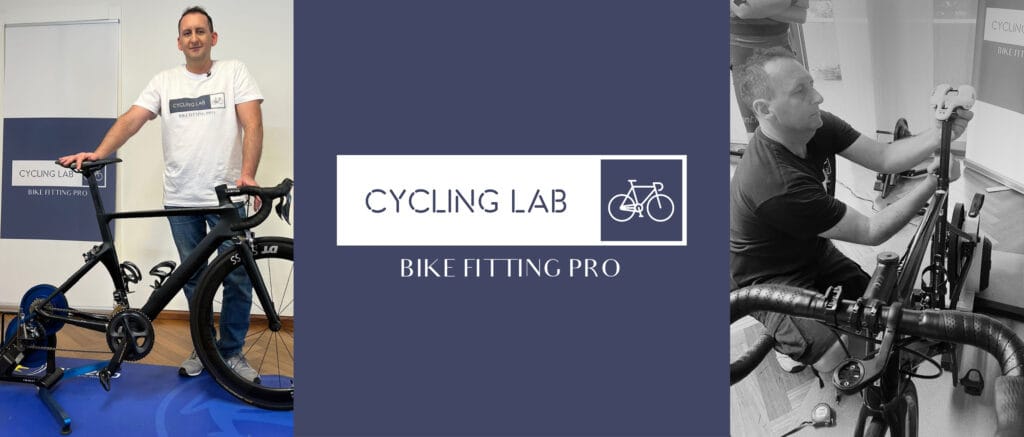
Many cyclists invest heavily in high-end equipment. From your perspective, why are position and biomechanics often more decisive than upgrading components?
Today, when purchasing a bicycle, there needs to be much closer collaboration between the retailer and the bike fitter. One important reason is that modern frame geometries are very different from those of the past. A basic anatomical and postural assessment before buying a bike can already help prevent choosing the wrong frame size.
Secondly, it is essential to evaluate the cyclist as a whole – not only their measurements, but also how the body moves on the bike, their flexibility, and any previous physical issues. The bicycle must be adapted to the cyclist’s strengths and weaknesses so that the frame can perform at its maximum potential for that specific athlete.
Very often it is more important to provide advice or exercises related to mobility, stretching, breathing techniques, or core stability. For example, a cyclist with tension in the posterior muscle chain or with a history of lumbar sciatica cannot have the same saddle height as a cyclist without those issues.
There are also clear differences in the approach to bike fitting between professionals and amateur riders. For professionals, the work focuses on improving their physical and motor skills, introducing new training techniques, and adapting to modern frame geometries. For amateur riders, working on the body is equally important. Modern working life is increasingly sedentary, and many cyclists spend most of the day sitting. It is therefore essential that they work on their body in order to sustain an efficient riding position without pain.
During bike fits we often say: “We adjust the bike to match your current postural capabilities. Then you must work to optimize the position.” The message we want to convey is that we increasingly see how important it is to work on the body rather than making major adjustments to the bicycle. The mindset has changed from trying to achieve the perfect position purely through mechanical adjustments. Today it is necessary to understand that there may also be significant work to do on the body.
For this reason, one of our goals – also connected to the previous question – is to develop educational courses for bike fitters so they increasingly become healthcare-oriented professionals with strong knowledge of anatomy and physiology, rather than relying solely on mechanical or professional experience.
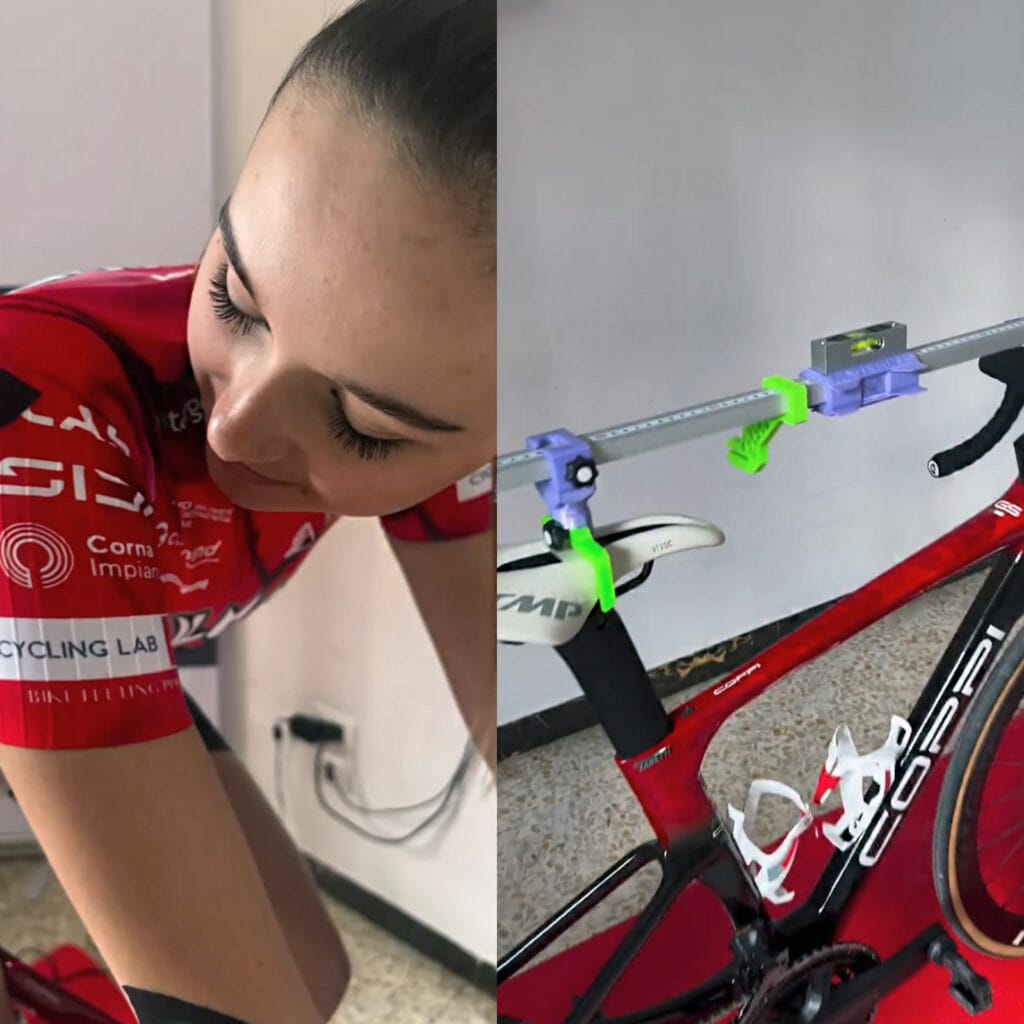
Can you describe in detail what happens during a professional bike fitting session at Cycling Lab – from the initial evaluation to the final adjustment – and explain how data and technology guide your decisions?
The foundation of the Cycling Lab Bike Fitting method is a precise and thorough initial physiotherapeutic and osteopathic evaluation – including joint and visceral aspects, combined with a detailed medical history to understand all of the cyclist’s potential issues. This allows us to determine, for example, whether a cyclist’s pain during pedaling is caused by their position on the bike, their daily habits, or a combination of both. Each physiotherapy test we have developed corresponds to specific adjustments that may need to be made on the bicycle.
We then proceed with a general inspection of the athlete’s bicycle, checking whether any components are poorly adjusted or whether there are assembly asymmetries.
Next comes the biomechanical assessment of the cyclist on the bike. During this phase, we collect a wide range of data to understand how the rider moves while pedaling, using video analysis, inertial motion sensors, and saddle pressure sensors.
One of the most important aspects is cross-referencing the data. For example, comparing the rider’s movement angles with the findings from the physiotherapy evaluation.
The Cycling Lab bike fitting procedure follows a very precise methodology. One of the most important assessments is the detailed study of the cyclist’s six contact points with the bicycle: the hands, the ischial tuberosities (sit bones), and the feet, including ankle movement. When these six points are in balance, the basic position relative to the rider’s posture can be considered correct.
At that point we reach the first important step, which is what most cyclists are looking for: a position that combines comfort and performance.
More advanced fittings may also include aerodynamic assessments as an additional step. Our method and procedure have been developed and refined through more than 900 bike fits. Increasingly, professionals are looking for a structured and scientific working method.
During every bike fit, we of course adjust all the bicycle components. If there are doubts about specific components – for example if a cyclist is considering shorter crank arms, which is currently a trend, or changing an integrated handlebar – we use a dedicated tool that allows us to evaluate these measurements in relation to the rider’s body.
We can also use a hybrid simulation bike that allows us to test different positions or components, such as crank lengths or handlebars, in order to determine which changes could be beneficial before modifying the rider’s own bike.
Overuse injuries are common in cycling. What are the most frequent biomechanical issues you encounter, and how can a scientific approach to bike fitting help prevent long-term physical problems?
Among amateur cyclists, the most common complaints are lower back pain, neck pain, and tingling in the hands, often linked to sedentary lifestyles or daily routines.
It is also important to distinguish different types of pain. For example, women often experience lower back pain related to visceral issues or the menstrual cycle. During menstruation, the biomechanics of lumbar spine movement in the saddle can change, yet very few professionals take this aspect into account.
In professional cycling, we often see overuse injuries as well, particularly knee pain. This is partly due to modern frame designs with shorter reach and more aggressive riding positions, which tend to place greater workload on the quadriceps muscles. This can lead to overload at both the joint and muscular level in the anterior chain.
For this reason, many professionals who ride in these more compact and aggressive positions now train in the gym throughout the year, much more than in the past, in order to compensate for the muscular demands created by modern bike positions.
In general, Cycling Lab’s approach to pain begins with an in-depth study of the symptoms, which may require the intervention of a physiotherapist or osteopath. At the same time, we aim to make cyclists more aware of the importance of working on their own body. For amateur cyclists in particular, we often correct posture and movement patterns not only on the bike but also in the workplace or daily life. In many cases, postural habits or repetitive movements outside of cycling are the real causes of discomfort experienced in the saddle.
Performance diagnostics are becoming increasingly popular. Which specific tests do you perform, which key parameters do you analyze, and how do you translate these results into more effective training programs?
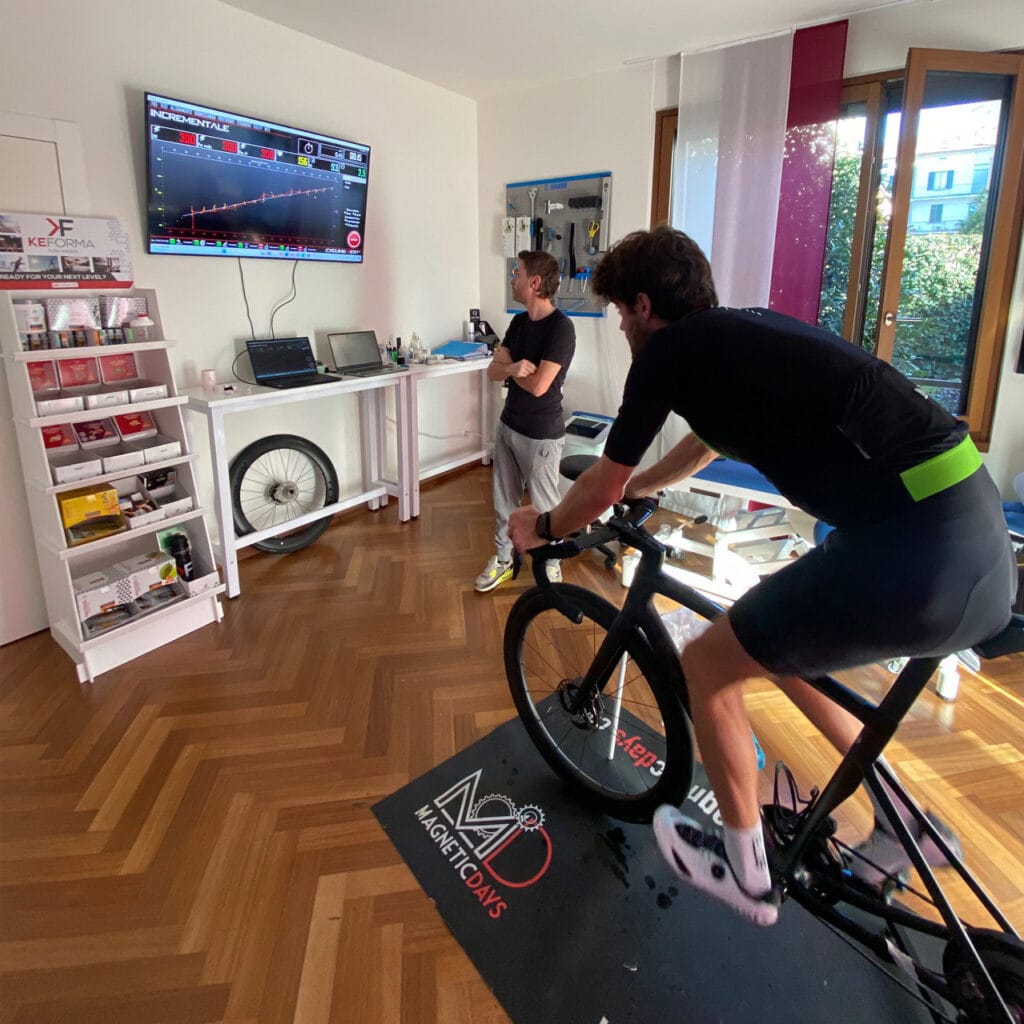
We conduct several tests, including FTP tests (Functional Threshold Power, the highest power output, measured in watts, you can expect to average over a longer time – EWC) and incremental tests to determine VO₂ max (maximal oxygen consumption – EWC) values. These tests are important because they give us the baseline values of the athlete and allow us to understand the characteristics of their physiological engine.
The next step is even more interesting, as we combine these results with other tests carried out by our entire team, including metabolic tests (measures the amount of oxygen your body takes in during exercise and how much carbon dioxide is breathed out – EWC) and stress tests, which are particularly important.
This comprehensive testing approach allows us to work with the athlete in a truly 360-degree manner. The combination of tests helps us identify not only the athlete’s physiological engine, but also other aspects such as mental and nutritional factors.
We also have a coaching component. In this case, Damiano Cunego evaluates the cyclists and interprets the test results in order to design personalized training plans. He follows the athletes daily and maintains constant communication with them.
In addition, the training plan includes off-bike work such as mobility exercises, breathing techniques, strength training, explosive strength work, and strength endurance. These activities outside the bike are extremely important and are integrated with the laboratory test results obtained on the bike.
This approach is also fundamental in our Next Gen project for young cyclists. Through these evaluation tests we can determine the biological age of the athlete. A young rider may show very strong values, but may not yet be in the correct developmental phase to handle heavy training loads.
This is a topic we care deeply about, because we often see cases of burnout or psycho-physical exhaustion among young athletes when the correct developmental stages are not respected.
Ideally, in the future this method of evaluating and guiding athletes will be followed more widely, so that we do not lose talented riders who may have pushed their bodies too hard at the age of 15 or 16. A much more comprehensive educational approach from coaches and professionals in the sport is needed.
You also offer IHHT. Could you explain the physiological principles behind it, how it differs from traditional altitude training, and which types of cyclists benefit most from it?
Yes, we offer intermittent hypoxia–hyperoxia therapy (IHHT), which differs significantly from traditional hypoxia treatments or altitude tents that have been used in the cycling world so far.
Intermittent hypoxia is still relatively unknown, but fortunately we are among the first centers to offer this therapy, as we have a direct connection with the developers of the device, which was created in Switzerland and Germany. The technology is supported by scientific studies, and the research behind this type of cellular oxygen adaptation was awarded the Nobel Prize in 2019.
The principle is based on alternating phases of hypoxia (low oxygen levels) and hyperoxia (high oxygen levels). Oxygen is temporarily reduced and then delivered again in higher quantities to the patient. This alternating process creates stress for less efficient cells, which are gradually replaced by more efficient ones at the level of their energy centers: the mitochondria.
For this reason, intermittent hypoxia therapy is essentially a form of mitochondrial regeneration. It is not aimed at altering blood parameters, but rather at improving the efficiency and energy capacity of the cells themselves. The therapy is performed while the cyclist lies relaxed on a treatment bed, connected to the machine through a breathing mask.
This treatment has clear potential for endurance sports, including cycling. In my experience, I have observed significant benefits among several athletes, especially women competing at the World Tour and Continental levels.
One of the most evident benefits is exceptional recovery after stage races or periods of intense training. At the same time, it can contribute to improvements in performance when integrated correctly within a training program.
In addition, this therapy has shown important benefits in managing symptoms related to anxiety, stress, burnout, chronic fatigue, eating disorders, insomnia, and menstrual cycle issues – always in collaboration with doctors or other medical professionals involved in the athlete’s care. For this reason, IHHT can also be extremely valuable in supporting athletes from a mental perspective.
It has become increasingly important to address these topics openly and no longer treat them as taboos. This approach is a fundamental part of the Cycling Lab bike fitting method and will also be included in future Cycling Lab projects that we will present soon.
Cycling is a repetitive and highly technical sport. How important are mobility, asymmetry correction, and neuromuscular coordination for improving both efficiency and power output?
As I mentioned earlier, we increasingly believe that cyclists should be supported by healthcare professionals not only in bike fitting, but also in the work they do on their bodies. Training methods that include mobility work, strengthening exercises, coordination training, postural rebalancing, and breathing techniques are extremely important.
I would like to emphasize the respiratory aspect in particular, which is often underestimated. Exercises focused on proper breathing techniques can allow athletes to reach very high performance levels, yet certain respiratory therapies are still not widely known in the cycling world.
We work with the athlete in a truly 360-degree way, including important methodologies on the mental side as well. One example is meditation. This practice, which should no longer be considered purely spiritual, is increasingly used by people who want to maximize their mental performance. Mental training and recovery from psychological stress are therefore also essential components of athletic preparation.
From a physical perspective, exercises with bodyweight, weights, or proprioceptive platforms – along with balance, coordination, and proprioception work – are extremely important. These exercises are particularly crucial during growth phases for young athletes.
Recently we have also been developing neuro-balancing techniques. These combine proprioceptive exercises with work on various postural receptors such as the eyes, jaws, and feet in order to optimize the cyclist’s postural stability.
In addition, we are introducing exercises using specific physiotherapy tools that train the nervous system to respond to stimuli commonly encountered in cycling. These exercises help make the athlete more reactive through specific training sessions. The goal is to help cyclists better manage the sudden visual and physical stimuli that occur in a race situation within a group. Ultimately, the aim is to improve performance, reduce crashes, and enhance reactivity across all cycling disciplines – road cycling, mountain biking, and enduro. In disciplines such as enduro, for example, riders must constantly deal with visual stimuli, obstacles, and rapid changes of direction.
Through these new techniques, which we will present more fully in the future, we aim to train cyclists to perform better also from this neurological and coordination perspective.
Nutrition is often underestimated by amateur cyclists. How do you integrate nutritional strategies into performance planning, and what are the most common mistakes you see?
Nutrition is one of the most underestimated but also one of the most decisive factors in the performance of amateur cyclists. Many riders train well, but do not adequately support their metabolic work through proper fueling. Our approach integrates nutrition directly into training planning, adjusting energy intake and carbohydrate consumption based on the intensity and objectives of each training session.
The most common mistake we see is under-fueling, particularly during training sessions and during recovery. This limits both performance and physiological adaptations.
The real turning point comes when the athlete understands that nutrition is not only about sustaining the effort during training or racing, but about enabling the body to adapt, improve, and reach a new level of performance.

Your “Next Gen” program is dedicated to young athletes. Why are early biomechanical evaluation and structured development particularly important during growth phases, and how do you ensure long-term sustainability?
The Next Gen program, which we designed and developed ourselves, is a long-term project that continues to evolve and aims to represent a turning point for youth cycling. The main objective is to promote a change in mindset among coaches, parents, and the cyclists themselves.
As mentioned earlier, the most important element during the early years is enjoyment. After that, in our methodology, it becomes essential to compare early data and test results, initial training loads, and performance models with the athlete’s biological age.
This allows us to determine whether a young cyclist can already be pushed to perform at a high level within youth categories or whether it would be better to preserve them for later stages of development. This is a fundamental point in trying to revitalize youth cycling, especially in Italy, where I live, where we increasingly see many young riders abandoning the sport.
The Next Gen program accompanies the athlete throughout their growth process. We offer several yearly assessments at a cost that remains sustainable for families, allowing us to monitor the young rider’s development and avoid the mistakes that often occur with “do-it-yourself” approaches to aspects such as biomechanics.
During growth phases, bicycles are regularly checked and adjusted by our team. At the same time, we introduce specific exercises and training programs that evolve together with the athlete’s development, helping to build their body in a complete and balanced way. The project also includes emotional and mental support if these young athletes need it.
For cyclists who have never done a professional bike fitting or physiological test, what are the most common misconceptions you encounter? And what measurable improvements can they realistically expect after working with you?
I believe this question mainly concerns amateur cyclists. One of the biggest misconceptions is that some people believe these types of tests or structured training programs are only necessary for professional athletes.
Regardless of performance goals, the primary objective should always remain enjoyment. However, we know that many amateur cyclists fail to improve their performance because they lack proper guidance, such as a structured training plan based on performance testing.
A well-designed training program includes elements such as Zone 2 rides (endurance training – EWC) and recovery periods – sessions that many amateur cyclists would never consider on their own, but which are actually fundamental components of effective training.
Being guided by a professional coach is therefore important not only for performance but also for health.
First of all, even cyclists who do not race should undergo basic medical fitness testing with a sports doctor. After that, every amateur cyclist should follow a training program adapted to their age, fitness level, and general physical condition. For example, a 70-year-old amateur cyclist would not receive a program designed to win races, but rather a training plan focused on well-being and conscious, healthy cycling.
In terms of measurable improvements, we typically observe reductions in pain levels on the VAS (visual analogue scale – EWC) scale, improvements in respiratory and metabolic parameters, lower heart rate, higher HRV (heart rate variability – EWC) values and RMSSD (root mean square of successive differences between normal heartbeats – EWC), increased power output in watts, and an increase in the anaerobic threshold.
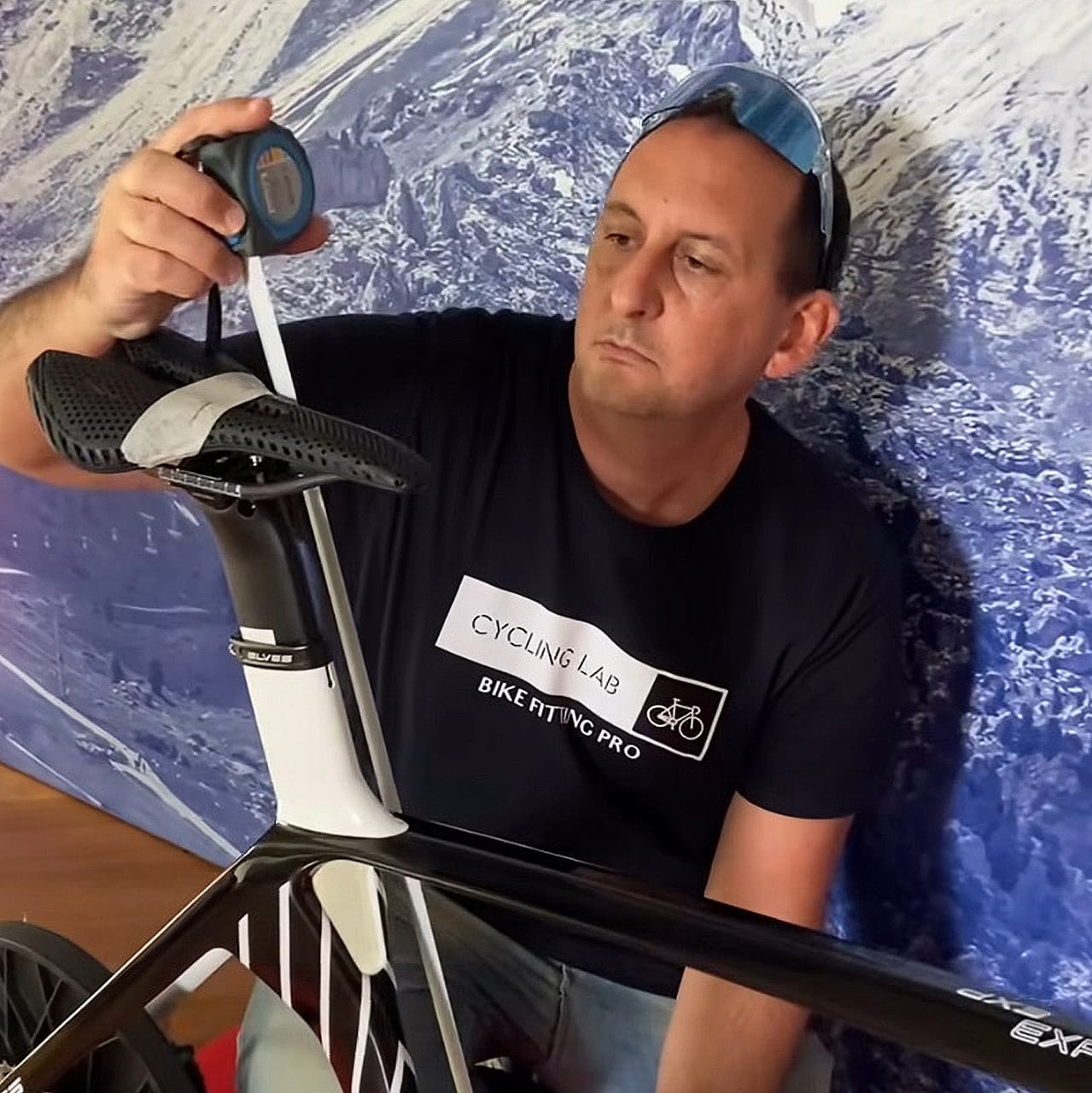
Andrea Zanfrini
Founder of Cycling Lab | Physiotherapist & Bike Fitting Specialist
Andrea Zanfrini is the founder of Cycling Lab and a physiotherapist specializing in biomechanical analysis and manual therapy. A passionate cyclist himself, he developed a proprietary method for evaluating an athlete’s posture and body mechanics, which forms the foundation of the Cycling Lab bike fitting process.
By combining a detailed physiotherapy assessment with objective data collected through advanced biomechanical software, Zanfrini’s approach focuses on improving performance while reducing pain-related symptoms and increasing comfort on the bike. Through Cycling Lab, he works with both amateur riders and professional athletes, applying a multidisciplinary method that integrates biomechanics, performance testing, and athlete health.